
Rare Plants From Hawaii and Their Stories of Survival
Hawaii is home to one of the rarest collections of flora on Earth. Isolated by more than 2,000 miles of ocean, the islands developed a truly unique biodiversity, including hundreds of plant species found nowhere else. However, many of these native plants are now endangered due to habitat loss, invasive species, and climate change.
Below are some of the most remarkable plants from Hawaii, along with the stories behind their ongoing struggle for survival.
1. Hāhā
The Cyanea genus comprises some of the rarest and most visually striking plants found in Hawaii. Known collectively as hāhā, these plants often feature large, lobed, or spiny leaves. They produce vibrant purple, blue, or white tubular flowers that hang down from arching stems.
Several species have either gone extinct or exist in such small numbers that they require protective fencing, controlled propagation, and constant monitoring. Their decline is largely due to habitat loss, the introduction of grazing animals such as pigs and goats, and predation by rats and slugs.
2. ʻŌlulu
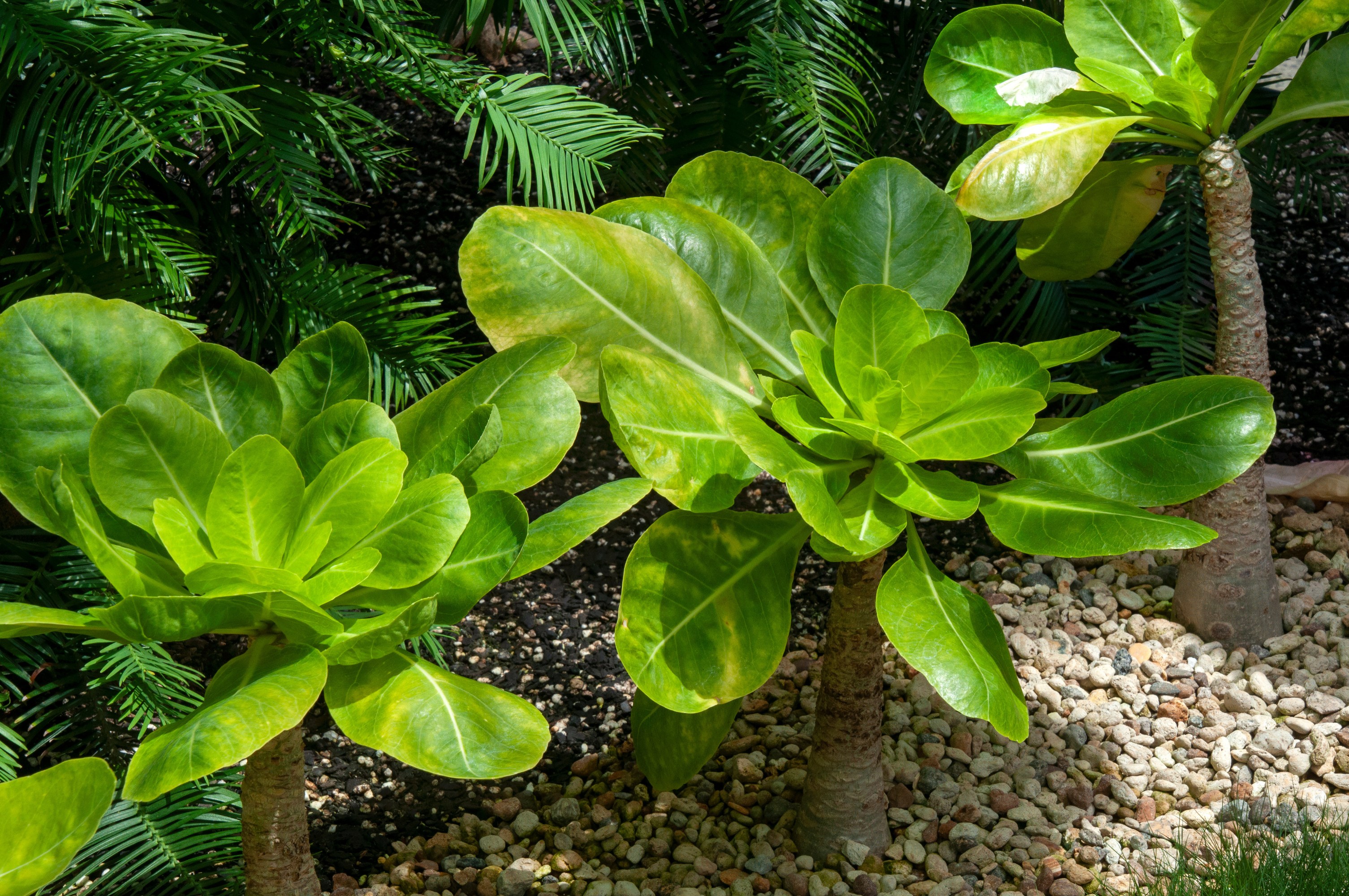
ʻŌlulu is a striking succulent plant endemic to the steep sea cliffs of Kauaʻi and Niʻihau. It has a thick, swollen stem topped with a rosette of fleshy, paddle-shaped leaves, which earned it the nickname “cabbage-on-a-stick.”
The plant produces bright yellow, trumpet-shaped flowers that once attracted a native moth pollinator, now believed extinct. As a result, botanists spent years rappelling down vertical cliffs to hand-pollinate the last remaining wild specimens. Despite those efforts, ʻōlulu is now classified as extinct in the wild. Today, it only survives in botanical gardens, private collections, and conservation seed banks.
3. Loulu Palms
Endemic to the Waiʻanae Mountains of Oʻahu, loulu palms grow slowly and feature fan-shaped leaves that can span several feet across. It once formed part of the native forest canopy, offering shade and habitat for birds and insects.
The palms produce few seeds, and most are eaten by rats before they can sprout, leading to declining regeneration. To support recovery, conservationists collect seeds by hand and grow them in nurseries. Fenced restoration sites protect young palms from grazing animals, giving them a better chance to mature in the wild.
4. Wiliwili
Wiliwili is one of the few native Hawaiian trees that are adapted to dry, lowland areas. Its twisted branches, bright orange flowers, and seasonally bare crown make it easy to spot. Unlike most trees in Hawaii, this plant sheds its leaves during the dry season to conserve water.
The tree has been severely impacted by an invasive gall wasp, which deforms leaves and weakens the plant. Researchers introduced a natural predator to control the pest and protect remaining populations. Conservation efforts also focus on seed collection, outplanting in managed dry forests, and preserving genetic diversity.
5. Haleakalā Silversword
The Haleakalā silversword grows only on the high slopes of Maui’s Haleakalā volcano. Its silvery leaves form a dense rosette, covered in tiny hairs that reflect sunlight and help the plant retain moisture in its harsh alpine environment. It blooms once in its lifetime, producing a tall stalk lined with purple flowers, then dies.
The species nearly went extinct in the early 20th century due to cattle grazing and vandalism by visitors. However, conservation efforts — including fencing and strict protections in Haleakalā National Park — have helped it recover. Though populations have grown, silverswords remain at risk from trampling, drought, and climate change.
Ways To Help Protect Rare Plants From Hawaii
Here’s how you can make a positive impact when visiting the islands:
- Choose eco-conscious destinations. Destinations like Botanical World Adventures on the Big Island offer a close look at native plants from Hawaii while supporting the ongoing care and preservation of rare species.
- Respect trail guidelines. Stay on marked paths when hiking or touring natural areas to avoid stepping on young or endangered plants that may be growing in the understory.
- Use clean gear and footwear. Brush off soil and debris before moving between forests or parks to avoid introducing pests or fungal spores.
- Support local conservation initiatives. Donations, volunteer work, or eco-friendly purchases can directly fund plant protection projects.
Find Rare and Endemic Plants From Hawaii at Botanical World Adventures
For a closer look at Hawaii’s unique native plants, visit Botanical World Adventures on the Big Island. The 300-acre park features rare and endangered species, including those no longer found in the wild. Expert guides share how these plants shaped local culture and continue to play a vital role in native ecosystems.
Contact us or call 808-731-1160 to plan your visit today.